

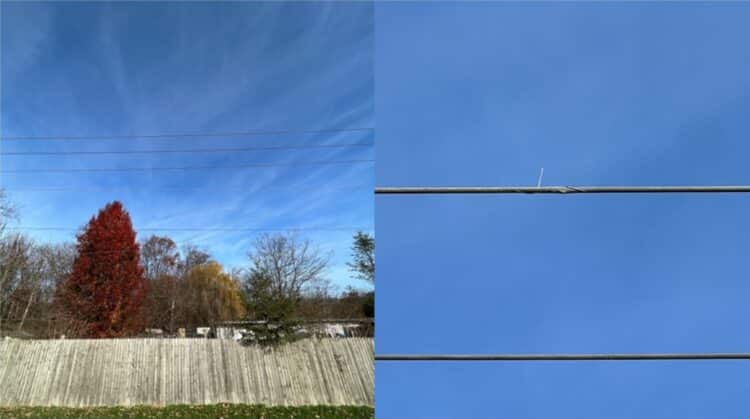
Source: Utility Magazine by Hayley Ralph – RMIT expert warns of hidden grid pressures – Utility Magazine
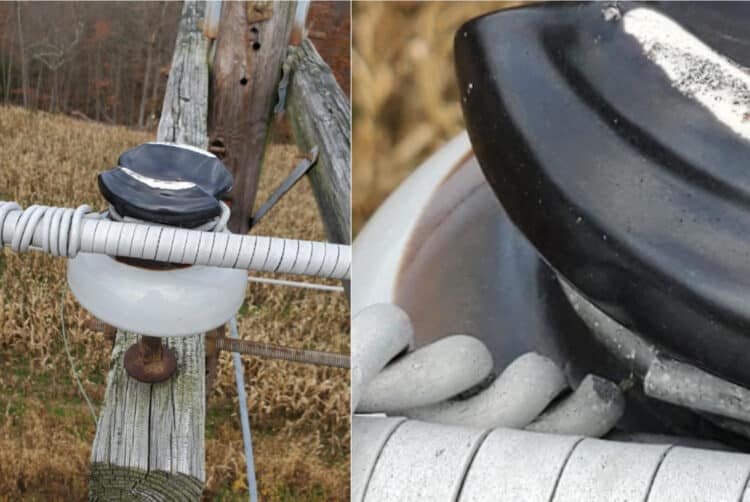
It is hard to find asset defects from ground level. Image: RMIT University
As data centres, electrification and climate pressures drive more concentrated demand, utilities are facing the growing operational challenge of keeping ageing grid infrastructure reliable. Professor Alan Wong investigates.
Data centres are rapidly becoming one of the most significant new sources of demand on Australia’s electricity networks.
Across several states, utilities are already seeing clusters of high-density, always-on loads emerging in specific parts of the grid. These facilities are critical to the digital economy but from a network perspective, they introduce a new kind of pressure – one that is highly concentrated, continuous and less flexible than traditional demand.
At the same time, this new demand is landing on infrastructure that, in many cases, was not designed for it.
This is where a quieter challenge is emerging. Beyond the headlines about capacity and connection, utilities are dealing with the day-to-day reality of operating an ageing network under increasingly uneven and sustained stress. It is an operational burden that is growing and not always visible.
The Australian grid has always had to manage variability. However, what is different now is the way that pressure is distributed.
Rather than being spread relatively evenly across the network, new demand, especially from data centres, is often concentrated in specific locations.
This creates localised stress, where certain feeders, substations or network segments are required to carry significantly higher and more constant loads than originally anticipated.
Electrification is adding to this effect, increasing baseline demand across transport, buildings and industry. At the same time, extreme weather events are placing additional strain on assets already operating closer to their limits. The result is not simply a busier grid, but a more uneven one where some parts of the network are carrying far greater operational load than others.
For utilities, ageing infrastructure has always been part of the equation. Assets designed for lower, more predictable loads are now being pushed harder and more often. Higher ambient temperatures, stronger winds and longer dry periods are accelerating wear and degradation. Equipment that may once have operated comfortably within tolerance is now closer to its limits for extended periods.
This does not always result in immediate failure. But it does change how assets behave over time, and how much effort is required to keep them operating safely.
One of the more challenging aspects of this shift is that the greatest operational risks are not always associated with the largest assets. In many cases, they sit within smaller components, such as connectors, insulators and spans of line, that are less visible in planning models but absolutely critical in operation.
Under increased load and environmental stress, these elements can become points of vulnerability. Minor degradation that might once have been manageable can evolve into more serious issues when combined with higher utilisation and more extreme conditions.
For field teams and network operators, this translates into more frequent interventions, more targeted maintenance and greater effort required to manage emerging issues before they escalate.
Over time, this accumulation of small, evolving risks places increasing pressure on operational teams. It is not always captured in capital programs or long-term planning frameworks, but it is felt in day-to-day decision-making, workload and system management.
Traditional maintenance approaches, built around predictable patterns of asset ageing, are being stretched in this environment.
Inspection cycles and replacement programs assume relatively stable rates of deterioration. However, asset condition is now more dynamic. A component assessed as performing adequately today may be subject to very different stresses tomorrow. A piece of equipment operating within tolerance may behave differently under sustained high load or during extreme weather.
As a result, utilities are often required to adapt in real time by increasing monitoring, reprioritising work and responding to issues as they emerge. While necessary, this reactive approach adds to operational burden without always reducing the underlying drivers of risk.
Significant investment is already being directed into Australia’s electricity networks, particularly to support growth and resilience, but the effectiveness of that investment depends on where it is applied.
When pressure is concentrated in specific parts of the network, broad, system-wide approaches can miss the areas where operational strain is highest. Resources may be spread evenly, while the same segments continue to carry disproportionate load and risk.
A more effective approach focuses on precision by identifying where load, asset condition and environmental exposure combine to create sustained pressure.
Targeting these areas allows utilities to direct both investment and operational effort where it will have the greatest impact. In many cases, this means focusing on the parts of the network that are already under strain, rather than applying uniform solutions across the system.
Many network issues develop progressively through movement, wear or interaction with surrounding conditions. The earlier these changes are identified, the greater the opportunity to intervene before they escalate.
Advances in monitoring and sensing, including early fault detection technologies, are making it possible to detect these early signals and respond more proactively. Their value is greatest when applied selectively, focusing on the parts of the network where stress is highest and consequences are most significant.
The cumulative effect of these changes is a shift in how utilities experience and manage their networks.
The challenge is no longer confined to long-term asset replacement or capital programs. It is increasingly reflected in day-to-day operations, especially in how often crews are deployed, how priorities are set, and how much effort is required to keep the system operating reliably.
This is the hidden operational burden of an ageing grid.
It is shaped not just by the age of assets, but by how they are being used, where demand is concentrated, and how external conditions are evolving.
As Australia’s energy system continues to change, this burden will only become more pronounced. Data centres, electrification and climate variability are structural shifts that will continue to reshape how networks are loaded and how assets perform.
For utilities, the opportunity lies in responding with greater precision by recognising where pressure is building, focusing effort where it will have the greatest impact, and addressing the underlying drivers of operational strain.
In a system where some parts of the network are carrying far more than others, improving performance ultimately depends on how effectively that pressure is managed.
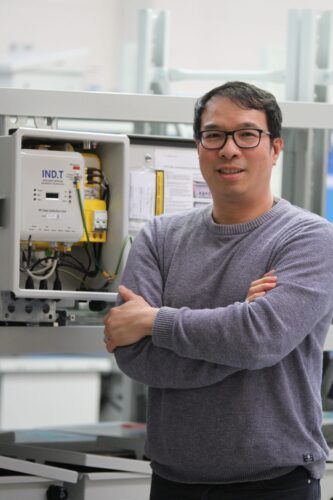
Prof. Alan Wong is Founder and CEO of IND Technology and Honorary Professor at RMIT University.
For more information, visit ind-technology.com
This article appears in the May/June 2026 edition of Utility. Read the full article here: https://lnkd.in/gcmV2FZd
To download full report, please submit the contact form and the team will contact them back within 48 hours.


