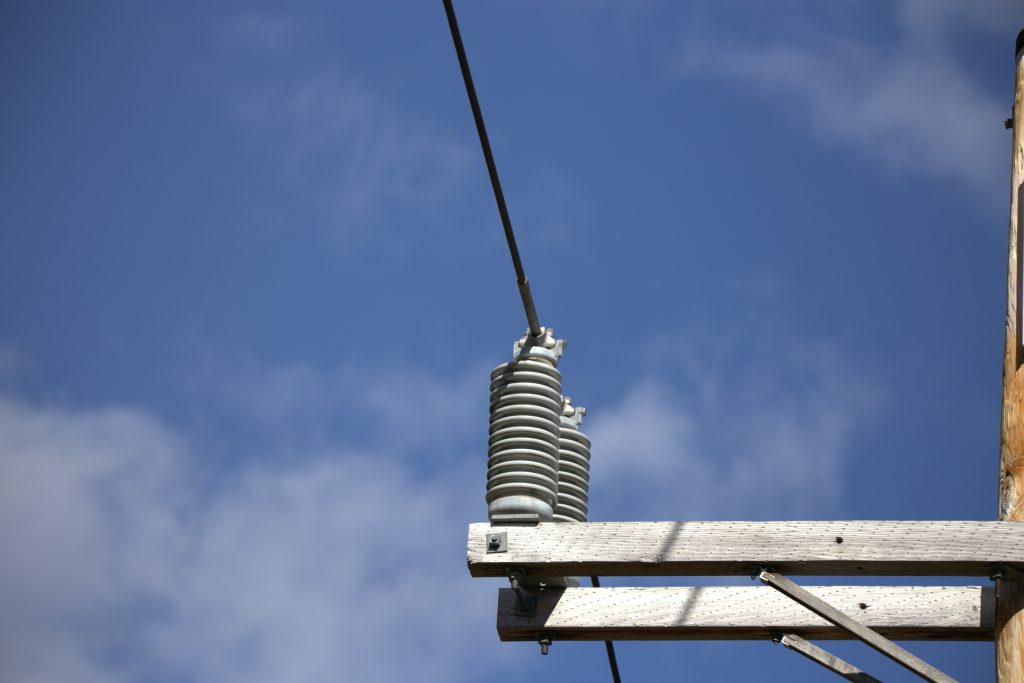
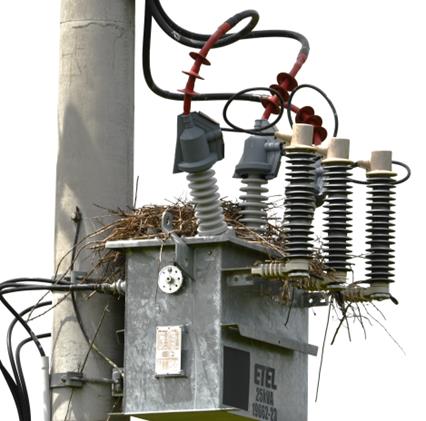
Early detection reduces wildfire risk by identifying damaged strands before faults escalate into ignition sources.


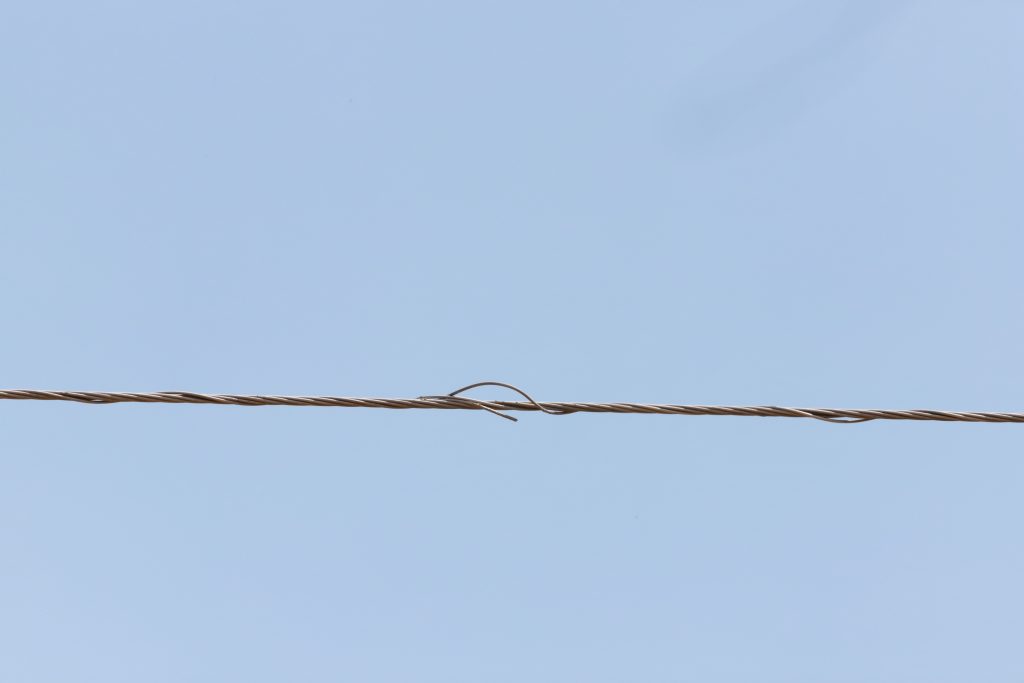
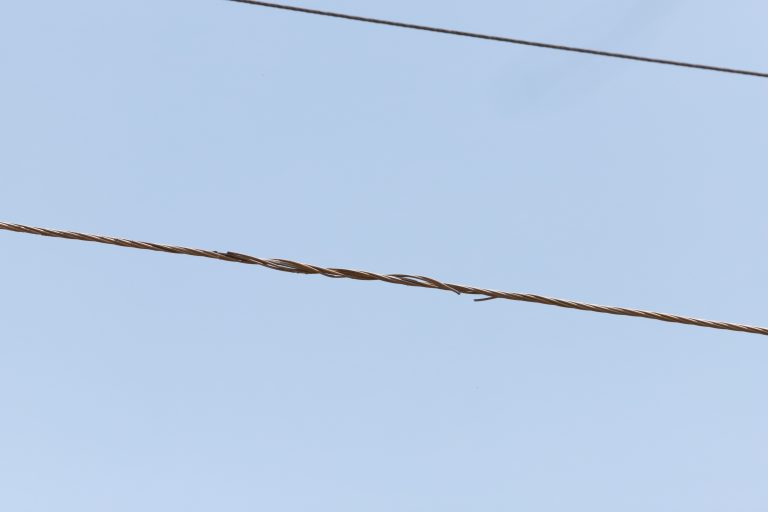
Broken conductor strands were identified on a three-phase transmission line using the Early Fault Detection (EFD™) system in the western United States. The defect was remotely detected and accurately located based on EFD™ system data. The issue was then confirmed through a targeted field inspection using visual assessment and optical camera imagery.
The affected transmission circuit is located in a High Fire Risk Area. If left undetected and unmitigated, damaged conductor strands can create significant wildfire, safety, and reliability risks. In this case, the defect had the potential to contribute to ignition risk, equipment degradation, and possible service interruptions.
Early detection reduces wildfire risk by identifying damaged strands before faults escalate into ignition sources.
Improved reliability is achieved by preventing unexpected outages and maintaining consistent transmission line performance overall.
Proactive maintenance lowers costs by avoiding repairs, minimizing equipment damage, and reducing operational risks overall.
The EFD™ system accurately identified the broken stands’ location and generated alerts in EFD360, enabling the utility to perform a targeted site investigation. Following visual confirmation of the damaged conductor strands, corrective maintenance was carried out to repair the conductor and mitigate the risk.
By identifying the damaged conductor before failure, the utility reduced the potential risk of wildfire and improved community and environmental safety. The early detection also helped mitigate the risk of supply interruptions, property damage, and associated economic losses, demonstrating the value of EFD™ in proactive wildfire prevention and asset management.
To download a sample of what our partners are finding and addressing proactively. If you are interested to learn more, please complete the form and we will get back to you within 48 hours.